


The Basics of Casino Psychology
The psychology behind casino gaming strategies delves into the cognitive processes that drive players’ behaviors and decisions. Understanding how emotions, motivations, and cognitive biases influence these behaviors is crucial for both players and casino operators. Players often experience a range of feelings while gaming, from excitement and anticipation to frustration and disappointment. This emotional rollercoaster can significantly impact their decision-making processes, especially when considering options like no kyc casinos for added convenience.
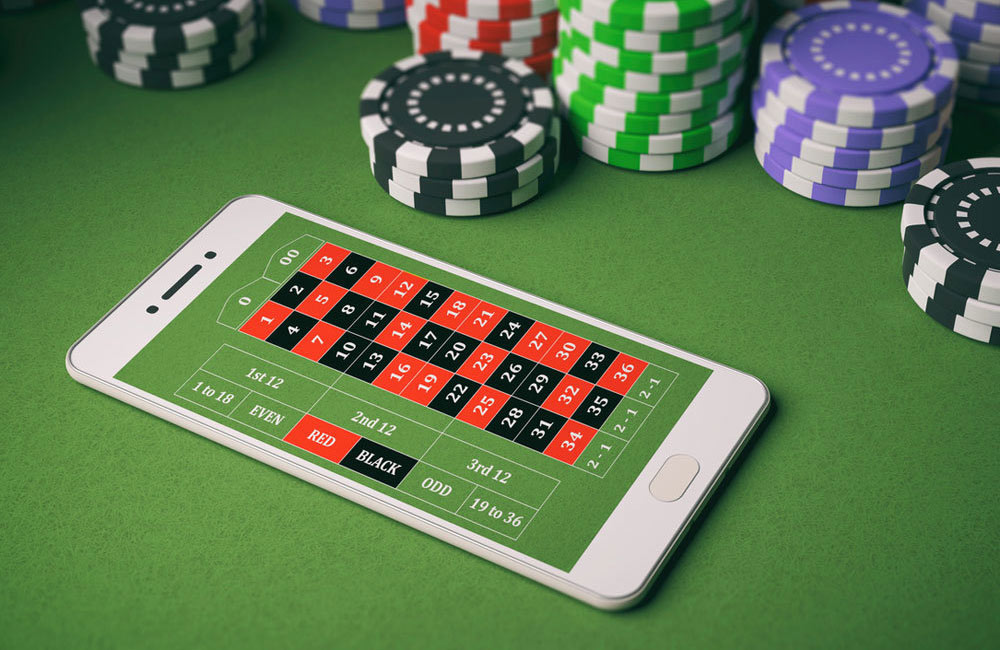
Moreover, the design of the casino environment plays a pivotal role in shaping player psychology. The use of bright lights, sounds, and the arrangement of games is strategically crafted to create an immersive experience that keeps players engaged longer. These elements not only enhance mood but also lead to a desire to continue playing, often regardless of the actual odds of winning.
Cognitive Biases and Decision Making
Cognitive biases are systematic patterns of deviation from norm or rationality in judgment, which can greatly influence gambling behavior. One of the most common biases in casino gaming is the illusion of control. Many players believe that they can influence the outcome of a game, especially in games that involve some degree of skill, leading them to wager more than they should. This misconception can result in substantial financial losses.
Another prevalent cognitive bias is the gambler’s fallacy, where individuals believe that past outcomes will influence future results. For instance, a player might think that a slot machine is “due” for a payout after a series of losses. Such beliefs can lead to excessive betting and a lack of understanding of the underlying randomness of gambling outcomes.
The Role of Emotions in Gambling
Emotions play a significant role in shaping gambling strategies. Winning can trigger feelings of euphoria and excitement, which often encourage players to gamble more aggressively. Conversely, losing can lead to frustration and a desire to chase losses, resulting in a dangerous cycle of increased bets and potential financial harm. Players frequently misinterpret these emotional states, believing that they can “turn their luck around” through further gambling.
Furthermore, the social aspect of gambling can amplify emotional responses. Many individuals enjoy the camaraderie found in casinos, and this social interaction can influence decisions. Being in a group may encourage riskier behavior as players feed off one another’s excitement and competitive spirit, leading to irrational choices that they might not make in a solo environment.
Strategies to Manage Gambling Behavior
To foster healthier gambling behaviors, it is essential to implement strategies that encourage self-awareness and emotional regulation. Setting predetermined limits on time and money spent can help players stay within their means and avoid the pitfalls of impulsive behavior. Additionally, understanding personal triggers for emotional highs and lows can aid individuals in recognizing when to step back from gambling.
Casinos also play a role in promoting responsible gambling practices. Many establishments provide resources for players, such as information on setting limits and recognizing problem gambling signs. By fostering an environment that supports responsible behavior, both players and casinos can benefit from a more sustainable gaming experience.

Website Security and User Support
This website emphasizes the importance of safety and security for its users. Online gaming platforms often face various threats, making it essential to implement robust security measures to protect player data and enhance the gaming experience. When users encounter challenges accessing the site, clear guidance is provided to help them resolve any issues efficiently.
Moreover, the website prioritizes user support, recognizing that navigating online gaming can sometimes be complex. Users are encouraged to reach out to the site owner for assistance, ensuring that any barriers to access are swiftly addressed. This commitment to user safety and support underscores the importance of responsible gaming in a secure online environment.